In 2025, the internet is bursting with bold, mind-bending visuals—and increasingly, they’re not made by people. AI-generated music videos have stormed TikTok, YouTube, and Instagram Reels, attracting millions of views with imaginative, cinematic sequences that once took teams of animators and weeks of post-production. They’re also raising real questions: Where do human musicians fit into this future? Are we witnessing a creative revolution or a slow fade of authentic artistry?
This June, AI-driven video content surged across platforms. Some artists embraced it to tell new stories or enhance their performance, while others watched from the sidelines, concerned about digital doppelgängers and loss of artistic control. Here’s a look at some of the month’s most talked-about AI music vid
1. Ed Sheeran Reimagined in Bollywood
In one of the most viral videos of June, AI creators transformed Ed Sheeran’s track “Sapphire” into a Bollywood-style spectacle. Using deepfake technology, they inserted the likenesses of Aishwarya Rai, Allu Arjun, and even Virat Kohli into an elaborate dance sequence set in a digital version of Mumbai. The visuals were breathtaking—and completely fabricated.
The video blew up not only for its creativity, but also for the legal questions it raised. None of the featured stars had approved their appearance, sparking renewed debates about consent and likeness rights in AI-generated media. It showed that while AI can cross cultural boundaries and genres, it can also cross ethical lines.
2. Kelly Yu’s AI Anime Vision for “Werewolf”
Pop artist Kelly Yu partnered with an AI animation studio to create a dreamy, anime-style video for her latest track, “Werewolf.” The video featured AI-assisted scene transitions, digital choreography, and visual effects built using only storyboard prompts and text-to-animation software.
Unlike the Ed Sheeran remix, this was artist-driven innovation. Yu used AI as a tool to express her vision, not as a replacement for human storytelling. Her success demonstrates the creative potential of machine collaboration—when it’s intentional and transparent.
3. Lauv Uses AI to Level the Playing Field
Independent artist Lauv embraced AI video production for a three-minute track that featured fully AI-rendered environments, from pixelated deserts to a dreamlike cityscape. The production used Reelmind.ai’s story-to-video tools, significantly reducing the time and budget typically needed for such a project.
This case shows AI’s democratizing power in music. Independent artists no longer need major label resources to make polished visual content. However, the emotional connection between artist and viewer still depends on the human story being told beneath the effects.
4. Glorb: The AI Rapper with 280M Views
An anonymous AI persona named Glorb took over TikTok and YouTube this month with auto-generated rap songs—voiced by SpongeBob characters, animated by algorithms, and edited entirely by machines. His “artists” don’t exist; everything from the lyrics to the vocals is synthetic.
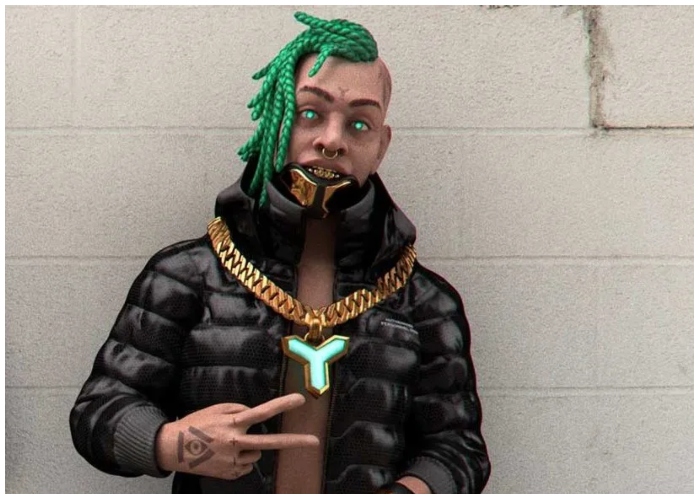
Glorb is entertaining, yes—but it also prompts discomfort. Are these characters performers, or just digital gimmicks? The viral appeal is undeniable, but critics argue that Glorb’s content lacks soul. This raises the bigger question: Can AI replace human emotion, or only imitate it?
5. YAJU&U Tops the Viral Charts in Japan
The AI-generated song “YAJU&U” broke into Japan’s Spotify Viral 50, racking up tens of millions of streams with its surreal lyrics and addictive beat. Fans loved the absurdity, but some critics weren’t amused—calling it “AI without artistry.”
Its success proved how fast AI can produce content that resonates online. But the criticism reminds us that virality doesn’t always mean value. There’s a thin line between novelty and depth—and that line matters more in music than most media.
AI is undeniably transforming the music video landscape, offering artists exciting new tools and possibilities. But it’s also redefining what audiences expect from musicians. The key difference? Intention. Videos like Kelly Yu’s show how AI can amplify human creativity, while deepfakes and synthetic creators like Glorb challenge the meaning of authenticity.
For now, AI isn’t replacing real artists—but it is reshaping the stage. As long as emotion, story, and honesty remain at the heart of music, human creativity still holds the mic