In a world filled with buzzing alerts, background chatter, nonstop notifications, and endless content, silence is becoming a rare—and powerful—commodity. In 2025, a new trend is taking shape: low-noise living. From silent keyboards and fanless appliances to noise-dampening home designs, people are rethinking their environments to reduce unnecessary sound and protect their mental clarity.
It’s no longer just about avoiding distractions. Silence has become a strategic tool—one that supports productivity, reduces anxiety, and improves overall well-being. Quiet isn’t just golden—it’s smart living.
Why Silence Matters More Than Ever
Noise pollution has long been recognized as a health risk in urban spaces, but recent studies show that even moderate, everyday sounds—like humming electronics, background music, or constant pings—can negatively affect our brain function. Chronic exposure to noise can lead to:
- Decreased concentration
- Higher cortisol levels (a stress hormone)
- Elevated heart rate and blood pressure
- Disrupted sleep cycles
As remote and hybrid work models continue into 2025, more people are realizing that sound clutter is silently sabotaging their focus, creativity, and peace of mind.
What Is Low-Noise Living?
Low-noise living is a conscious lifestyle shift focused on reducing auditory distractions—both physical and digital. It’s about creating quiet spaces that allow your mind to reset, recharge, and operate at full capacity.
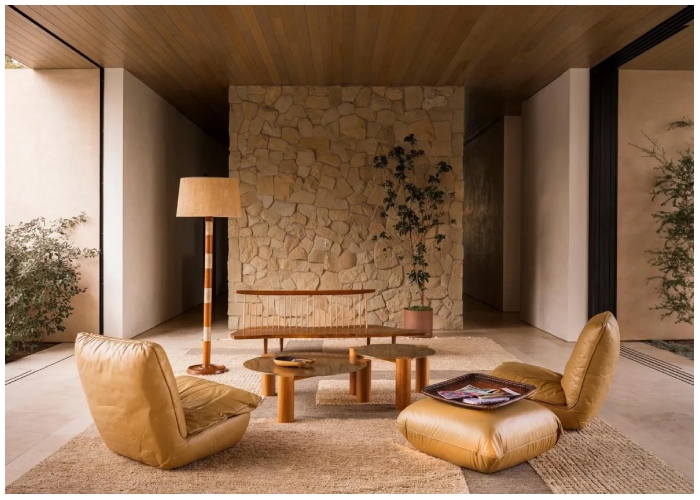
This trend isn’t just about living in total silence—it’s about curating your sound environment to support calm and concentration.
Key Features of Low-Noise Living
- Acoustic Enhancements: Home offices outfitted with sound-absorbing wall panels, rugs, and curtains that reduce echo.
- Silent Tech: Fanless air purifiers, whisper-quiet dishwashers, and soft-touch keyboards are replacing noisy alternatives.
- Minimalist Design: Spaces designed with fewer hard surfaces and more fabric or texture to absorb sound naturally.
- Notification Fasting: Tools like Minimalist Phone, One Sec, or iOS Focus Modes help batch digital alerts or silence them completely during deep work blocks.
- Designated Quiet Zones: Households are creating specific areas for stillness—no media, no noise, just rest or reflection.
Why People Are Embracing This in 2025
Several shifts have brought low-noise living into focus this year:
- Remote fatigue: Home offices have become productivity warzones, often filled with noise from kids, pets, or shared living spaces.
- Mental burnout: Constant input—whether from Spotify, Slack, or social feeds—can fry your cognitive load.
- Creative recovery: Writers, designers, and developers are recognizing that silence actually boosts originality and problem-solving.
- Tech brands are adapting: More companies are releasing “quiet” versions of everyday items, from soft-close cabinets to near-silent PC fans.
The Benefits of Low-Noise Living
- Improved focus and faster task completion
- Lower stress levels and better emotional regulation
- Stronger household communication due to intentional quiet spaces
- Enhanced sleep quality and better dream recall
- Increased creativity due to fewer mental distractions
Simple Ways to Start Low-Noise Living
You don’t need a total home renovation to benefit from this trend. Start small with these strategies:
- Add softness to your space: Use rugs, curtains, and cushions to absorb sound.
- Create silent blocks: Try two hours a day where no devices or media are allowed.
- Use brown noise: Instead of music, play soft brown noise to mask distractions without overstimulating your brain.
- Switch to tactile cues: Turn off audio notifications and enable gentle vibration or LED alerts instead.
- Reclaim quiet rituals: Walk without headphones, enjoy your coffee in silence, or journal without background music.
Popular Low-Noise Microtrends in 2025
- Silent Mornings: People are starting the day without music, news, or apps—just silence and reflection.
- Noise-Minimized Workspaces: Offices are opting for felt dividers, soft flooring, and quiet keyboards.
- Quiet Commuting: More people are riding bikes or walking without audio input.
- Mindful Soundscaping: Apps now offer “quiet mixes” made up of soft natural sounds or low-frequency hums to reduce sensory load.
In a culture that constantly demands your attention, choosing silence can feel revolutionary. But it’s not about muting life—it’s about being intentional with what you let in. Low-noise living invites you to pause, reflect, and prioritize your mental space.
In 2025, silence isn’t empty—it’s essential. And embracing it might just be your smartest move yet.