Organizing your fridge might have once felt like a weekend cleaning chore, but in 2025, it’s become a hallmark of smart, intentional living. Fridge zoning—a method of arranging food based on type, shelf temperature, and usage frequency—is helping people save time, cut down on food waste, and even eat more nutritiously.
In a world where grocery prices are high and people are seeking sustainable habits, this simple kitchen upgrade is catching on fast. Whether you’re feeding a family, living solo, or meal-prepping on Sundays, zoning your fridge turns a chaotic space into a streamlined system that works for your life.
Why Fridge Zoning Works
The concept is simple: when your fridge has clear zones and categories, you’re far more likely to eat what you buy before it spoils, avoid cross-contamination, and prepare meals without the last-minute hunt for ingredients.
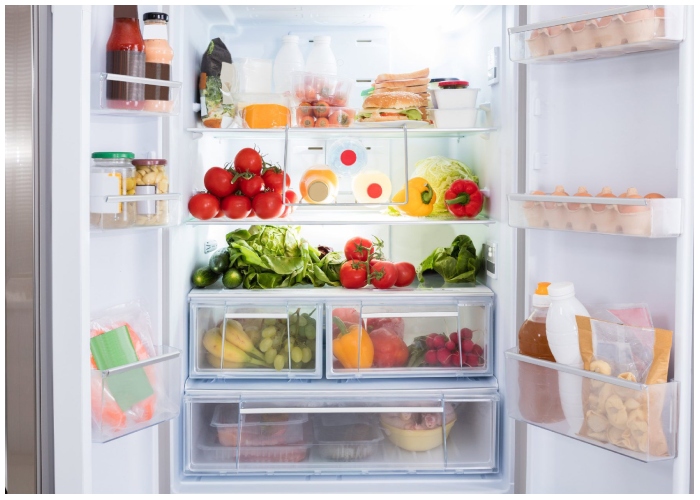
Instead of shoving items wherever there’s space, fridge zoning helps create a logical flow that mirrors how you use food—making your routine more efficient, your meals healthier, and your kitchen stress-free.
It’s not just about cleanliness—it’s about control.
How to Start Zoning Your Fridge
You don’t need fancy organizers to get started. Begin by understanding how different parts of the fridge are naturally suited to different types of food:
- Top Shelf: Best for ready-to-eat items like leftovers, yogurt, drinks, or snacks. It’s the most visible area, making it ideal for foods you want to grab quickly.
- Middle Shelves: Reserve these for meal staples—containers of cooked protein, prepared lunch boxes, meal kits, and items used daily.
- Lower Shelf: This is the coldest zone, ideal for raw meat, seafood, or anything that requires extra cold storage. Always use a tray or bin to catch leaks.
- Crisper Drawers: Use one drawer for fruits and another for vegetables to optimize humidity settings and extend freshness.
- Fridge Door: This is the warmest spot, so it’s best for condiments, pickles, and sauces. Avoid storing milk or eggs here despite the built-in slots—these items need colder temps.
Labeling Makes It Even Easier
Visual cues make zoning even more effective. Use washable labels or dry-erase stickers to create easy-to-understand categories:
- “Eat First” for items nearing expiration
- “Snacks” for kid-friendly grab-and-go options
- “Breakfast Zone” for yogurt, eggs, and spreads
- “Meal Prep” for items already chopped, marinated, or cooked
This not only keeps things neat but helps everyone in the household find what they need—no more fridge scavenger hunts.
Smart Tools for Fridge Zoning
While not essential, a few tools can make your zoning system more efficient and visually satisfying:
- Clear storage bins: Great for grouping similar items and seeing contents easily
- Lazy Susans: Perfect for hard-to-reach corners and rotating jars or condiments
- Fridge thermometers: Ensure zones are holding safe temperatures, especially for raw foods
- Date-stamped clips or stickers: Track freshness and know exactly when something was opened
These items are inexpensive, easy to clean, and widely available in home stores or online.
The Benefits Go Beyond Organization
Here’s what people love most about fridge zoning in 2025:
- Reduced food waste: You’ll actually use what you buy
- Faster grocery checks: See at a glance what’s missing or expiring
- Safer food storage: Separate raw and ready-to-eat foods to avoid cross-contamination
- Healthier eating habits: Makes it easier to build balanced meals and stick to nutrition goals
- Less time spent cooking: A well-zoned fridge speeds up prep time and keeps your kitchen workflow smooth
In a time when life feels busy and food prices are rising, fridge zoning is a small but impactful way to simplify your daily routine. It turns your fridge into more than just a cold storage space—it becomes a command center for smart living.
Whether you’re trying to reduce food waste, eat healthier, or just stop playing hide-and-seek with your groceries, this clever kitchen habit is a modern solution that makes everyday life a little easier—and a lot more organized.