Minimalism has long been associated with clean spaces, tidy closets, and fewer possessions. But in 2025, this philosophy is undergoing a purposeful transformation. Enter eco-minimalism—a lifestyle trend that blends the intentional simplicity of minimalism with the mindful sustainability of eco-conscious living.
It’s no longer just about owning less. Eco-minimalism asks deeper questions: What’s the impact of what I own? Is it sustainable? Does it serve a long-term purpose? In a time when climate anxiety is rising and consumption culture is being reexamined, this movement is helping people live with less—and live better.
What Makes Eco-Minimalism Different?
Traditional minimalism focuses on decluttering your life and home—removing distractions, reducing excess, and streamlining your surroundings. Eco-minimalism takes that a step further by focusing on the environmental impact of the things we do keep.
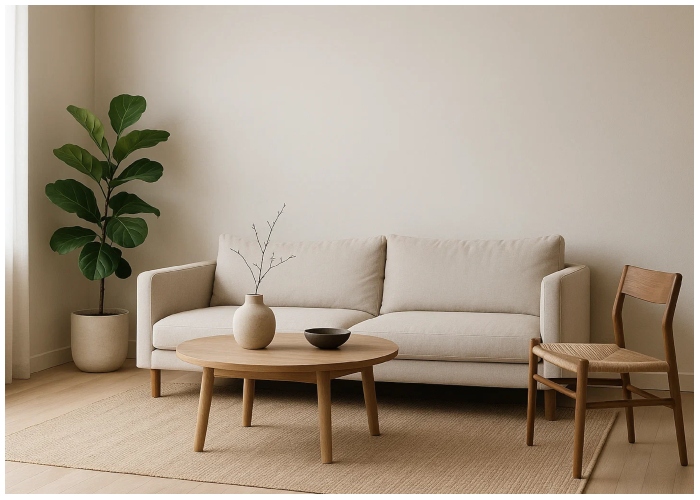
Rather than simply getting rid of stuff, eco-minimalism encourages smarter decisions from the start. It means choosing items that are sustainable, long-lasting, and ethically made, and thinking about their full lifecycle—from production to disposal—before bringing them into your life.
Core Principles of Eco-Minimalism
- Quality Over Quantity
Buy fewer things, but invest in better-made, sustainable products that will last longer. Instead of three pairs of cheaply made shoes, choose one pair that’s ethically produced and built to last. - Multi-Use Over Single-Use
Opt for items that serve more than one function. Think of a blender that also works as a food processor or a couch that transforms into storage. - Durability Over Disposability
Avoid fast-fashion or low-quality goods that break easily and end up in landfills. Look for strong materials and good craftsmanship. - Circular Economy Thinking
Prioritize products that can be refilled, reused, composted, or recycled. Think closed-loop design where nothing goes to waste.
Eco-Minimalism in Practice: Everyday Examples
- Streamlining Technology: Replace five gadgets (clock, speaker, calendar, radio, flashlight) with a single smart device that does it all.
- Sustainable Cleaning Supplies: Use compostable sponges, biodegradable soap bars, and refillable bottles with eco-friendly concentrates.
- Capsule Wardrobes: Choose 10–15 versatile clothing pieces made of organic cotton, linen, or recycled materials that can mix and match for various occasions.
- Kitchen Swaps: Store food in glass jars instead of plastic wrap, and use beeswax wraps or silicone lids.
- Solid Toiletries: Replace bottled shampoo and soap with solid bars packaged in compostable materials.
Why It’s Catching On in 2025
A mix of environmental urgency, economic pressure, and digital influence has fueled this trend:
- Climate concerns are motivating younger generations to rethink how they consume.
- Economic shifts are encouraging people to invest in long-term value rather than short-term trends.
- Social media creators are showing off minimalist homes and sustainable “un-hauls” instead of shopping hauls.
Online communities like “Buy Nothing,” “Use What You Have,” and minimalist inventory trackers on Notion are also helping people take inventory and break free from the urge to overconsume.
Brands and Tools Supporting the Shift
- Zero Co: Offers home and personal care products with refillable, zero-waste packaging.
- Pela: Makes compostable phone cases and accessories.
- Everlane & Patagonia: Focus on ethical fashion, transparency, and circular design.
- Notion Templates: Custom dashboards to track your inventory and reduce impulse purchases.
- Thrift & Swap Apps: Tools like Depop, Poshmark, and Olio are making it easier to share, reuse, or resell what we already have.
The Benefits of Eco-Minimalism
- Lower carbon footprint: Reduced demand on manufacturing and less waste in landfills
- Mental clarity: Fewer possessions mean fewer decisions and less stress
- Time savings: Less to maintain, clean, and organize
- Financial resilience: Buying less (and better) reduces unnecessary expenses
- Greater intentionality: Living in a way that aligns with your values
Eco-minimalism isn’t about living without joy or comfort. It’s about making conscious choices—choosing items that are useful, sustainable, and meaningful. In 2025, this trend is showing that living with less doesn’t mean settling for less. It means choosing better, living smarter, and thinking bigger about your impact on the world.
Next time you’re tempted by a trendy buy, pause and ask: Do I really need this? What is the true cost—beyond the price tag? That’s eco-minimalism in action.