Artificial Intelligence used to feel like the stuff of sci-fi films or elite tech hubs—but not anymore. In 2025, AI has quietly made its way into our daily routines, homes, and habits, transforming ordinary tasks into streamlined, personalized experiences. From cooking dinner to turning off the lights, AI-powered smart living is now the norm—not the exception.
Today’s smart homes are not just connected—they’re intelligent, adaptive, and focused on making life easier. Whether you’re a busy professional, a multitasking parent, or someone seeking more mental space, AI can help optimize your everyday life in ways you might not have imagined.
Smart Devices That Are Changing Home Life
AI-integrated home gadgets have become both smarter and more affordable. Some of the most common examples in 2025 include:
- AI vacuum robots that create detailed maps of your home and clean on a set schedule—even avoiding specific zones where pets sleep or kids play.
- Meal planning platforms that learn your dietary preferences, suggest weekly menus, and even coordinate with your calendar to avoid food waste.
- Smart fridges that track expiration dates and automatically reorder staple items or suggest meals based on what’s left inside.
- Virtual cleaning coaches that provide personalized routines or time-saving cleaning strategies via your phone or smart display.
- Voice-controlled lighting, locks, and thermostats that allow for hands-free control and automated schedules, improving both convenience and energy efficiency.
What’s New in 2025: Next-Gen AI Tools for Home Life
This year, AI has taken another leap forward by focusing on hyper-personalization and aesthetic integration. New home-friendly AI tools now include:
- Smart mirrors that analyze your skin and give personalized product or care suggestions each morning.
- Virtual wardrobe planners that scan your closet (via uploaded photos or inventory apps) and suggest outfit combinations, packing lists, or capsule wardrobes.
- AI budgeting assistants that use scanned receipts and bank integrations to track spending, recommend savings goals, and alert you to hidden subscription fees.
- Fridge-to-plate recipe generators that create meals based on what you have, complete with cooking instructions and nutrition info.
These aren’t just gadgets—they’re lifestyle upgrades that help reduce stress, boost creativity, and improve decision-making.
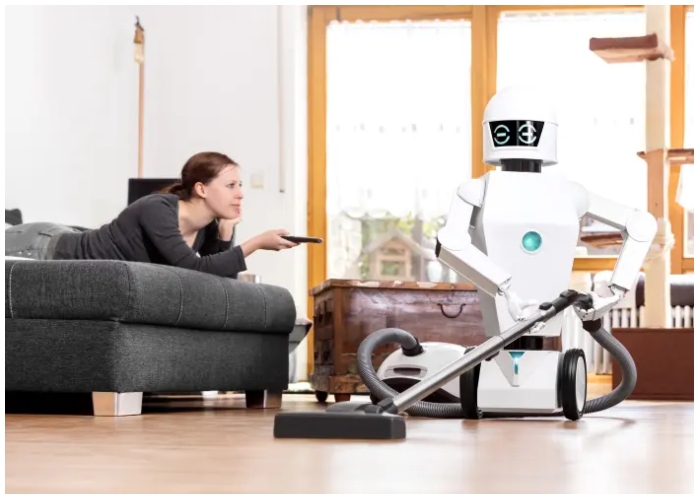
Why AI Is the Future of Smart Living
AI in the home isn’t about replacing human intuition—it’s about enhancing it. By offloading repetitive, low-value decisions to intelligent systems, you free up time and energy for what really matters.
Key benefits include:
- Reduces decision fatigue: Daily micro-decisions (what to eat, what to wear, what to clean) can drain energy. AI narrows choices and reduces overwhelm.
- Streamlines repetitive tasks: Automating things like cleaning, grocery tracking, or budgeting lets you focus on more meaningful tasks.
- Improves home security: AI-powered locks, motion sensors, and surveillance systems help create safer living environments.
- Supports sustainability: Smart fridges, energy meters, and consumption tracking tools help households become more eco-aware and waste-conscious.
What to Be Mindful Of
While AI can make life significantly easier, there are a few key considerations to keep in mind:
- Privacy and data usage: Always review app permissions and data-sharing settings. Many AI tools collect personal data to learn your habits—make sure you’re comfortable with how it’s stored and used.
- Device compatibility: Not all smart devices play nicely with one another. It’s wise to choose systems that work within a common ecosystem (like Apple HomeKit, Google Home, or Amazon Alexa).
- Over-reliance on tech: AI is a powerful tool, but it’s not a substitute for critical thinking, intuition, or human connection. Use it to assist—not replace—your lifestyle choices.
AI for home living is no longer a futuristic fantasy—it’s here, and it’s changing how we live. Whether it’s helping you organize your wardrobe, reduce food waste, save money, or simply remember to lock the door, AI is becoming a quiet partner in our daily lives.
It’s not about making your home robotic—it’s about making it responsive, efficient, and supportive of your goals. In 2025, integrating just a few smart tools into your space can lead to a home that does more than house you—it helps you thrive.